
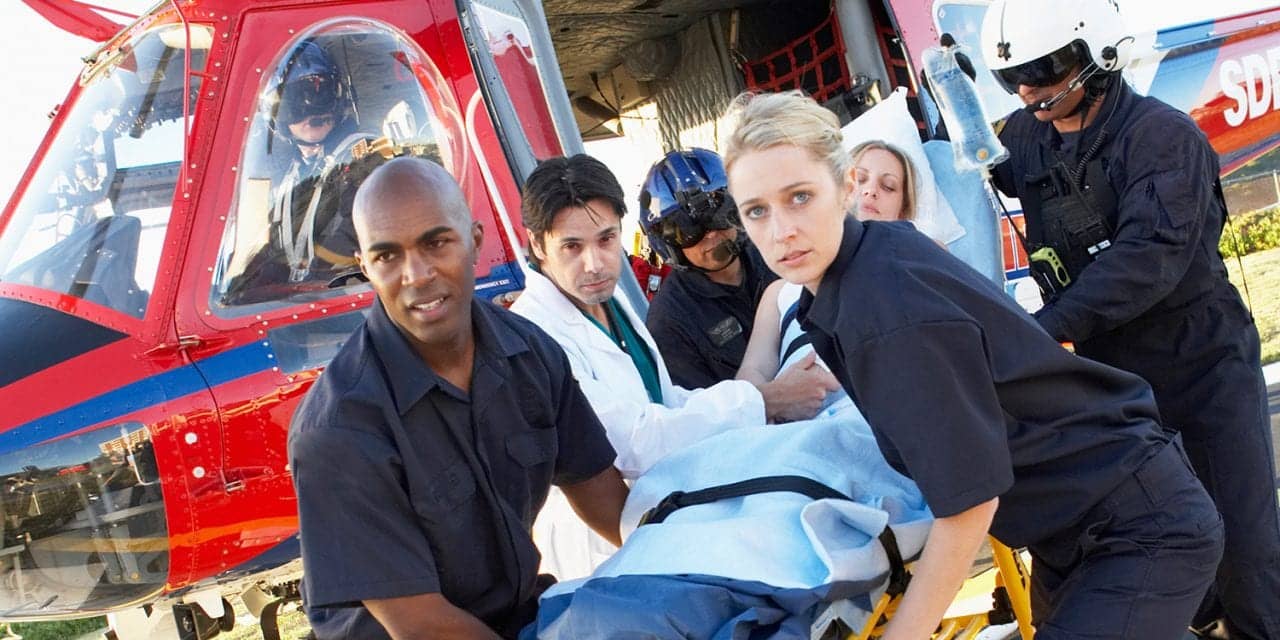
Airway crises demand preoxygenation, optimal positioning, video-laryngoscope readiness, capnography-confirmation, and decisive escalation to rescue oxygenation. You are three minutes into shift, and the patient suddenly stops moving air. Monitors scream, people talk over each other, and your hands feel too slow. This moment is where simple habits protect patients and protect you. Every airway emergency runs on oxygen, aspiration risk, and fragile physiology. Start by naming the problem and calling for help early. Then build oxygen, choose one plan, and announce your next step. Calm is not a personality, it is a workflow. Your goal is safe oxygenation first, then definitive airway control. Many units follow Resuscitation Council and ASA airway principles for shared language.
Control the room and the roles
In airway emergencies, leadership starts with one clear voice and one shared goal. Say who is leading, who is bagging, who is pushing meds, and who is recording. Use closed-loop phrases, so tasks return with a confirmation. Ask someone to time attempts aloud, because seconds disappear under stress. Ask for a difficult airway cart early, not after two failed attempts. Keep the bed height comfortable, and move clutter away from the head. If family is present, assign someone to step outside and explain briefly. Announce a stop point, then actually stop and reoxygenate when reached. A controlled room buys oxygen time and reduces risky improvisation.
Read the airway in ten seconds
A rapid scan guides your first device and your backup pathway. Look at mouth opening, neck movement, facial trauma, and obvious swelling. Listen for stridor, gurgling, or silence that suggests complete obstruction. Check for vomit, blood, or secretions that will block your view. Notice obesity, pregnancy, or limited mobility that alters positioning. Also assess physiology, because shock and acidosis shorten safe apnea time. If oxygenation is failing already, plan for ventilation before intubation. Choose the simplest path that restores oxygen, not the fanciest device. Speed matters, but accuracy matters more in the first ten seconds.
Oxygenation is the real priority
Intubation is a tool, but oxygen delivery is the mission. Preoxygenate with a tight seal, and avoid small leaks. Use high-flow oxygen when available, especially during preparation. Consider apneic oxygenation as a bridge during laryngoscopy. Use a PEEP valve when appropriate, and watch for improved reserve. If saturation drops, stop, reoxygenate, and then reattempt with changes. Two-person bagging improves seal, especially with beards or facial anatomy. Avoid long bagging pauses, because desaturation can be sudden. Never trade oxygen for a long, stubborn attempt at tube placement.
Positioning makes everything easier
Poor position turns a normal airway into a difficult airway fast. Ramped positioning aligns ear and sternal notch in many adults. In trauma, maintain in-line stabilization, but optimize jaw thrust. Use a pillow or folded sheets to lift the head and shoulders. Keep suction ready, turned on, and within your dominant hand. If contamination is heavy, suction aggressively before you chase a view. A simple head tilt change can open space more than a stronger grip. Good positioning often improves oxygenation even before you intubate. Treat suction like oxygen, because both fail quickly when neglected.
Choose a first-pass plan on purpose
First-pass success reduces hypoxia, aspiration, and airway trauma. Decide your primary device, your adjunct, and your rescue option. Video laryngoscopy can improve view, but it needs practiced handling. A bougie or shaped stylet can turn a near-miss into a clean pass. Plan your blade size, tube size, and backup tube before you start. If your view is poor, change something meaningful before the next attempt. According to our editor’s debrief notes, hesitation usually causes the second attempt. Hand off early if another clinician has stronger laryngoscopy skills. Keep attempts short, then pivot rather than repeating the same failure.
Ventilate well before you escalate
Mask ventilation is a skill, not a default that always works. Use the E-C clamp, and let your other hand lift the jaw. Add an oral airway early if the tongue collapses backward. If the seal is poor, switch to two providers without embarrassment. If ventilation fails, insert a supraglottic airway as a rapid bridge. Use capnography if available to confirm effective ventilation through that device. Confirm chest rise, listen, and watch for improving saturation. Consider gastric inflation risk, and keep pressure gentle and controlled. A good supraglottic plan prevents panic when laryngoscopy fails.
When you cannot intubate or oxygenate
Every team needs a shared trigger for the CICO moment. Call it out clearly, so everyone stops debating and starts acting. Move to front-of-neck access only when oxygenation cannot be restored. Use a familiar technique that your department trains regularly. Prepare the neck, identify landmarks, and keep your steps deliberate. Have the needed kit opened, not sealed in a drawer across the room. This is rare, but delay can be catastrophic for the patient. After rescue oxygenation, stabilize, then reassess the airway strategy. Document the sequence, because governance reviews depend on clear timelines.
Confirm placement and protect the lungs
After the tube passes, the danger is not over yet. Use waveform capnography to confirm tracheal placement and ventilation. Watch for chest rise, bilateral breath sounds, and improving oxygen saturation. Secure the tube well, because movement during transfer is common. Check cuff pressure, because high pressure can injure mucosa quickly. Prevent hypotension with careful sedation and attention to volume status. Set ventilation to avoid high pressures, especially in obstructive disease. Recheck everything after moving the patient or changing the circuit. In Dubai facilities, clear documentation supports safe continuity across teams.
Train the system, not only the clinician
Airway performance improves when the whole unit practices together. Use checklists and cognitive aids, especially in low-frequency disasters. Stock standardized tubes, blades, syringes, and suction catheters. Run short simulations that start with chaos, then end with calm control. Track first-pass success and hypoxia events as quality markers, not blame tools. From our editor’s chart reviews, documentation gaps often hide near-misses. Debrief within twenty minutes, while details are still clear. Restock immediately after the event, so the next team is not punished. A prepared system makes the next airway emergency feel less lonely.
 then "Add to Home Screen"