

Fikri Soner Akdemir
HealthBay Clinic
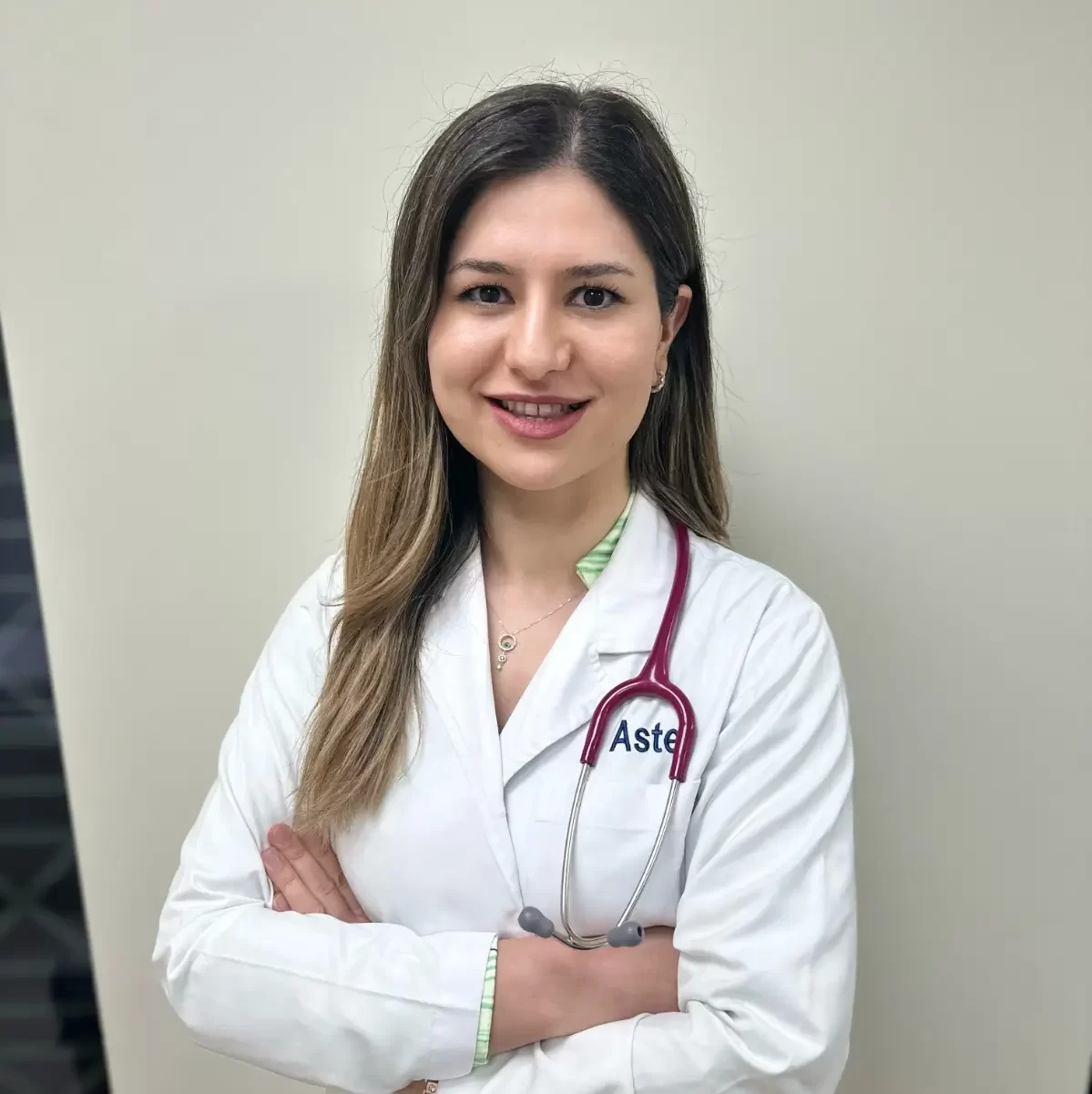
Gozde Ercan
Al Jalila Children’s Hospital

Gulben Efes
NMC Royal Hospital

Lemis Yavuz
Al Jalila Children’s Hospital
Paediatrics
Pediatrics is the medical specialty focused on babies, children, and adolescents. It follows health from birth through the teenage years. Pediatric care protects growth, development, immunity, nutrition, and emotional well-being. Children are not small adults, because their bodies change quickly. Their symptoms, medicines, communication, and risks require age-specific assessment. Parents often need guidance as much as the child needs treatment. Families searching for the best doctors in Dubai should look for clear communication and licensed care. Strong pediatric care helps children grow with safer lifelong health habits.
PEDIATRICS AND CHILD HEALTH
Pediatrics combines treatment, prevention, monitoring, and family guidance. A pediatrician checks illnesses, growth patterns, vaccinations, sleep, feeding, and development. The goal is not only treating fever, cough, or infection. It is also detecting problems before they become serious. Parents who need doctors in Dubai for child health should prepare previous reports and vaccine records. A child’s medical story often includes pregnancy, birth, feeding, and family history. This makes pediatric assessment broader than a simple symptom check. Regular follow-up helps protect health during every growth stage.
GENERAL PEDIATRICS AND ROUTINE CARE
General pediatrics covers most common child health needs. It includes newborn care, fever evaluation, respiratory infections, stomach problems, and skin rashes. Pediatricians also follow height, weight, head circumference, and body mass patterns. Growth charts help compare a child’s progress with age-based standards. These charts are not used to label children, but to detect unusual patterns. A child who drops across growth lines may need further assessment. A child who gains weight too quickly may need nutrition review. Routine care gives families a reliable health baseline.
DEVELOPMENTAL PEDIATRICS
Developmental pediatrics follows how children move, speak, learn, play, and interact. Milestones include smiling, sitting, walking, first words, and social response. Children develop at different speeds, but delays need timely review. Early signs may include poor eye contact, delayed speech, weak motor control, or limited play. Developmental screening helps identify children who need support. Early intervention can improve communication, learning, and independence. Parents should share concerns without waiting for school age. A pediatrician can guide referrals when specialist assessment is needed.
NEWBORN AND INFANT HEALTH
Newborn care covers the first weeks of life, when changes happen fast. Pediatricians monitor feeding, weight gain, jaundice, breathing, and temperature stability. Premature babies and low-birth-weight babies may need closer follow-up. Newborns cannot describe symptoms, so small changes matter. Poor feeding, reduced wet diapers, fever, or unusual sleepiness need urgent attention. Breastfeeding support and safe formula guidance can prevent growth problems. Parents should also understand safe sleep and infection prevention. The early months create the foundation for later development.
PEDIATRIC SUBSPECIALTIES
Pediatrics includes many focused subspecialties for complex conditions. Pediatric cardiology treats heart murmurs, rhythm problems, and congenital heart disease. Pediatric neurology evaluates seizures, headaches, developmental delay, and movement disorders. Pediatric endocrinology manages diabetes, growth problems, thyroid issues, and puberty concerns. Pediatric nephrology focuses on kidneys, urine problems, and blood pressure. Pediatric gastroenterology treats chronic abdominal pain, constipation, diarrhea, and liver problems. Pediatric allergy and immunology manages asthma, eczema, food allergy, and immune problems. Pediatric hematology-oncology treats blood disorders and childhood cancers.
COMMON CHILDHOOD ILLNESSES
Children often present with fever, cough, runny nose, vomiting, diarrhea, and rash. Many infections are viral and improve with supportive care. Some cases need testing, medication, or urgent assessment. Fever in babies under three months should always be taken seriously. Persistent fever, breathing difficulty, dehydration, or severe sleepiness needs medical review. Repeated infections may require immune, allergy, or environmental assessment. Antibiotics are not needed for every infection. Correct diagnosis helps avoid unnecessary medicine and missed serious illness.
VACCINATION AND PREVENTIVE HEALTH
Vaccination is one of the strongest tools in preventive pediatrics. Immunization helps protect children from serious infectious diseases. A pediatrician checks vaccine timing, missed doses, and special medical considerations. Preventive care also includes nutrition, sleep, dental health, safety, and screen habits. Breastfeeding, timely complementary feeding, and balanced nutrition support development. Injury prevention is also part of child health. Car seats, helmets, water safety, and home safety reduce preventable harm. Preventive pediatrics helps families act before problems become emergencies.
PEDIATRICIAN AND ADULT DOCTOR DIFFERENCES
Pediatricians are trained for children’s changing bodies and communication needs. Children metabolize medicines differently from adults. Their dose calculations often depend on weight and clinical condition. Young children may show illness through crying, refusal to eat, or behavior change. Pediatricians interpret these signs with parent observations. They also consider growth, development, school, family, and emotional context. Adult medicine focuses more on chronic diseases common in mature bodies. Pediatric care is built around growth, prevention, and family partnership.
WHEN A CHILD NEEDS MEDICAL ATTENTION
Parents should seek medical care when warning signs appear. Fever in a baby under three months needs urgent evaluation. Breathing difficulty, blue lips, chest pulling, or noisy breathing needs quick care. Repeated vomiting or diarrhea can cause dehydration. Fewer wet diapers, dry mouth, and sunken eyes are concerning signs. A non-fading purple or red rash with weakness can be serious. Severe headache, seizure, stiff neck, or confusion needs emergency review. Parents should trust concern when a child looks unusually unwell.
CHILD-FRIENDLY EXAMINATION AND FAMILY COMMUNICATION
A pediatric visit should be calm, clear, and respectful. The doctor usually begins by listening to the parent’s observations. Sleep, appetite, fever pattern, behavior, and activity level are important clues. Physical examination may include heart, lungs, ears, throat, abdomen, and skin. Growth measurements help track development over time. Older children should be included in simple explanations. This helps reduce fear and supports cooperation. Clear instructions help parents manage care safely at home.
PEDIATRIC CARE IN DUBAI HEALTHCARE SETTINGS
Dubai has regulated healthcare pathways for children and adolescents. Parents should choose licensed professionals and keep vaccination records updated. They should bring previous reports, allergy information, and current medication details. Questions about feeding, growth, sleep, behavior, and development should be asked early. A pediatrician can also guide specialist referral when needed. Families should not delay care when breathing, hydration, or consciousness is affected. For official healthcare guidance in Dubai, patients can contact Dubai Health Authority and review further information through its official platform. Reliable pediatric care supports safer childhood and healthier adulthood.
