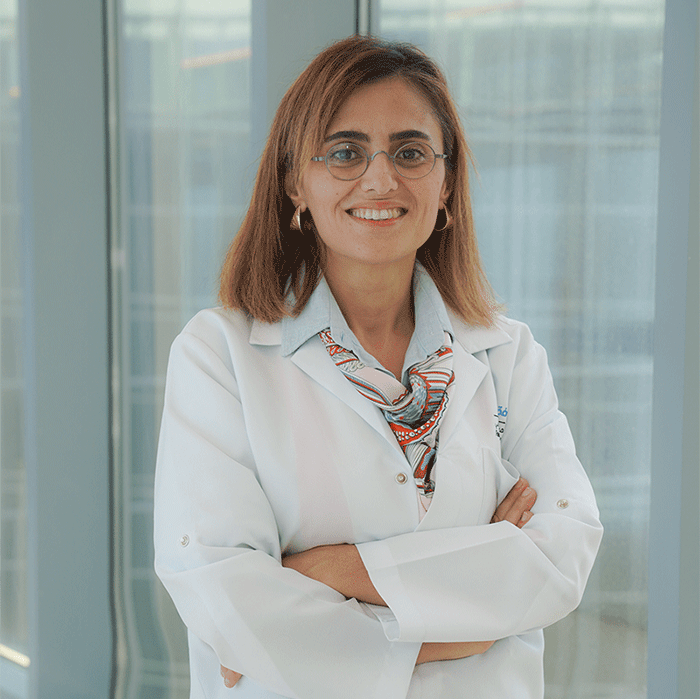
Duygu Ceman
Fakeeh University Hospital

Cumhur Kaan Yaltirik
International Modern Hospital
Neurosurgery
Neurosurgery is the medical specialty focused on the brain, spine, spinal cord, and nerves. It evaluates injuries, tumors, bleeding, vascular problems, nerve compression, and selected movement disorders. Neurosurgical care does not always mean immediate surgery. Many patients first need imaging, medication, monitoring, rehabilitation, or specialist follow-up. Surgery becomes important when pressure, bleeding, instability, or nerve damage creates serious risk. Patients searching for doctors Dubai should look for licensed expertise and clear medical communication. A safe neurosurgical plan protects movement, sensation, speech, memory, and independence. Early assessment can prevent small neurological symptoms from becoming permanent problems.
NEUROSURGERY AND NERVOUS SYSTEM CARE
Neurosurgery treats conditions affecting the nervous system and its supporting structures. This includes the brain, skull, spine, spinal cord, and peripheral nerves. A Turkish doctor in Dubai may help patients understand complex neurological symptoms more clearly. Headache, weakness, numbness, balance problems, seizures, and severe spine pain may need evaluation. The specialist reviews symptoms, imaging, neurological examination, and general health together. This is important because nervous system damage can affect many body functions. Treatment may be surgical, nonsurgical, urgent, or planned. The best approach depends on diagnosis, timing, and neurological risk.
BRAIN CONDITIONS TREATED BY NEUROSURGERY
Brain conditions can appear suddenly or develop slowly. Brain tumors may cause headache, seizures, weakness, vomiting, confusion, or vision changes. Some tumors are benign, while others are cancerous or metastatic. Brain bleeding can follow trauma, aneurysm rupture, or vascular disease. Stroke-related neurosurgical care may involve bleeding, swelling, or vessel blockage. Hydrocephalus causes excess cerebrospinal fluid buildup inside brain spaces. Pituitary tumors can affect hormones, vision, and headaches. These conditions require careful imaging and multidisciplinary planning.
SPINE AND SPINAL CORD DISORDERS
The spine protects the spinal cord and supports body movement. Disc herniation can compress nerves and cause arm or leg pain. Spinal stenosis narrows the canal and can limit walking. Spondylolisthesis occurs when one vertebra slips over another. Spine fractures may follow trauma, osteoporosis, tumors, or infection. Spinal cord tumors can cause weakness, numbness, pain, or walking changes. Severe compression may require urgent decompression or stabilization. The aim is protecting nerve function and restoring safe movement.
BRAIN AND SPINE TRAUMA
Trauma can injure the skull, brain, spine, or nerves. Falls, road accidents, sports injuries, and direct blows are common causes. A concussion may look mild but still needs monitoring. Warning signs include repeated vomiting, confusion, drowsiness, seizure, or worsening headache. Spine trauma can cause pain, weakness, numbness, or loss of bladder control. Severe injuries may require surgery to remove bleeding or stabilize bones. Time matters when the brain or spinal cord is under pressure. Fast assessment can reduce the risk of permanent disability.
VASCULAR NEUROSURGERY
Vascular neurosurgery treats blood vessel problems in the brain and spine. Aneurysms are weakened vessel areas that can balloon outward. If they rupture, bleeding can become life-threatening. Arteriovenous malformations are abnormal connections between arteries and veins. Cavernomas are clusters of abnormal small vessels that may bleed slowly. Treatment may involve observation, microsurgery, embolization, or radiosurgery. The decision depends on size, location, bleeding history, and patient risk. Sudden severe headache needs urgent emergency evaluation.
PERIPHERAL NERVE SURGERY
Peripheral nerves carry signals between the spinal cord and body. Compression can cause numbness, tingling, burning, weakness, or night pain. Carpal tunnel syndrome affects the median nerve at the wrist. Ulnar nerve compression often causes symptoms in the ring and little fingers. Tarsal tunnel syndrome can cause burning pain in the foot. Trauma can cut or stretch nerves and reduce sensation or movement. Microsurgical repair may be needed for selected nerve injuries. Early diagnosis improves the chance of functional recovery.
PEDIATRIC NEUROSURGERY
Children can develop nervous system problems before or after birth. Pediatric neurosurgery treats hydrocephalus, brain tumors, spinal defects, and skull shape disorders. Spina bifida involves incomplete spinal closure and needs coordinated care. Craniosynostosis occurs when skull sutures close too early. Some children need surgery to protect brain growth and development. Pediatric symptoms can include enlarged head size, vomiting, seizures, weakness, or developmental delay. Family education is essential because children cannot always describe symptoms. Early care can protect growth, movement, and learning.
DIAGNOSTIC TESTS IN NEUROSURGERY
Neurosurgical diagnosis starts with a neurological examination. The doctor checks strength, reflexes, sensation, balance, speech, and coordination. MRI provides detailed images of brain, spine, discs, nerves, and tumors. CT is often used quickly after trauma or suspected bleeding. Angiography can show aneurysms, vessel narrowing, and vascular malformations. EMG can assess nerve and muscle function in selected cases. Blood tests may support infection, inflammation, or surgical planning. The diagnosis should guide treatment, not simply confirm fear.
MODERN NEUROSURGICAL TECHNIQUES
Modern neurosurgery uses advanced technology to improve precision. Microsurgery uses magnification to protect tiny nerves and vessels. Neuroendoscopy allows selected procedures through smaller openings. Neuronavigation works like surgical mapping during brain and spine operations. Neuromonitoring tracks nerve signals during sensitive procedures. Stereotactic radiosurgery can treat selected lesions without a traditional incision. Deep brain stimulation may help selected movement disorders when medicine is insufficient. Each technique has limits, benefits, and patient-specific indications.
NONSURGICAL CARE AND REHABILITATION
Not every neurosurgical condition needs an operation. Some spine problems improve with medication, physiotherapy, injections, and lifestyle changes. Some small tumors or vascular lesions can be monitored with imaging. Rehabilitation is important after brain, spine, or nerve injury. It may include physiotherapy, occupational therapy, speech therapy, and pain care. Recovery depends on diagnosis, timing, age, and nerve damage severity. Patients should follow follow-up schedules carefully. New weakness, bladder problems, fever, or sudden severe pain needs urgent review.
NEUROSURGERY CARE IN UAE HEALTHCARE SETTINGS
The UAE has regulated healthcare pathways for neurosurgery and neurological care. Patients should choose licensed professionals and suitable clinical facilities. They should bring previous MRI, CT, reports, medicines, and surgery notes. Questions should cover diagnosis, urgency, alternatives, risks, recovery, and rehabilitation. Emergency care is needed for sudden weakness, seizures, severe headache, trauma, or speech changes. Complex cases may need cooperation between neurosurgery, neurology, intensive care, radiology, and rehabilitation. For official healthcare guidance in the UAE, patients can contact MOHAP and review further information through its official platform. Clear neurosurgical care helps protect function, safety, and long-term quality of life.
