There is not yet a Turkish Orthopedic Specialist in Dubai.
Orthopedic Surgery
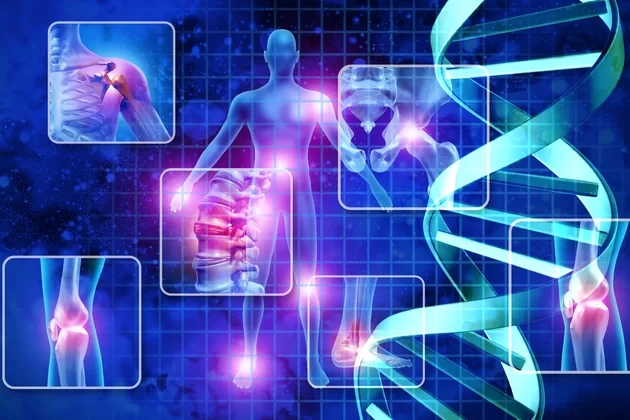
Orthopedic Surgery focuses on the diagnosis and treatment of the musculoskeletal system. This system includes bones, joints, muscles, ligaments, tendons, and nerves. It supports posture, movement, balance, strength, and daily independence. Problems may develop after injury, aging, overuse, sport, or birth conditions. Some patients need surgery, while many improve without surgery. Treatment may include medication, injections, bracing, rehabilitation, or planned operations. Patients searching for the best doctors in Dubai should look for licensed specialists and clear explanations. Correct orthopedic care can protect movement and long-term quality of life.
ORTHOPEDIC SURGERY AND MUSCULOSKELETAL HEALTH
Orthopedic Surgery is not limited to broken bones. It also treats joint pain, tendon injuries, nerve compression, deformities, and arthritis. The field includes urgent injuries and planned treatments. doctors in Dubai may guide patients toward the correct orthopedic pathway. A child with hip development problems needs different planning than an older adult. A professional athlete also needs a different recovery strategy. The main goal is safe movement with less pain. The treatment plan should fit the patient’s age, activity, and expectations.
CONDITIONS TREATED BY ORTHOPEDIC SURGERY
Orthopedic Surgery covers a wide range of bone and joint conditions. Common reasons include fractures, dislocations, sprains, tendon tears, and muscle injuries. Long-term problems include osteoarthritis, scoliosis, foot deformities, and back pain. Nerve compression can cause numbness, tingling, weakness, or hand pain. Sports injuries may involve the meniscus, ligaments, cartilage, shoulder, or ankle. Children may need care for walking problems or developmental hip conditions. Bone infections and bone tumors also need specialist assessment. Persistent pain should be evaluated before movement becomes more limited.
FRACTURES, DISLOCATIONS, AND ACUTE INJURIES
Fractures can happen after falls, sports injuries, or traffic accidents. Some fractures are simple and can heal with immobilization. Others need surgical fixation with plates, screws, nails, or wires. Dislocations occur when joint surfaces move out of place. These injuries can damage ligaments, nerves, and blood vessels. Prompt assessment reduces complications and long-term stiffness. Open wounds near fractures need urgent medical care. Rehabilitation is often needed after the bone begins healing.
JOINT PAIN AND ARTHRITIS
Joint pain can come from cartilage wear, inflammation, injury, or alignment problems. Osteoarthritis often affects the knees, hips, hands, feet, and spine. It can cause stiffness, swelling, and reduced walking comfort. Early care may include exercise, weight control, medication, and injections. Advanced joint damage may require replacement surgery. Knee and hip replacement can improve pain and function in suitable patients. Surgery is usually considered after conservative care becomes insufficient. The decision should follow examination, imaging, and patient goals.
SPORTS INJURIES AND RETURN TO ACTIVITY
Sports injuries need careful timing and staged recovery. Returning too early can increase repeat injury risk. Meniscus tears, ACL injuries, ankle sprains, and shoulder instability are common examples. Some injuries heal with rehabilitation and activity modification. Others need arthroscopic repair or reconstruction. Arthroscopy uses small incisions and a camera inside the joint. It can support faster recovery in selected cases. Return to sport should depend on strength, stability, and control.
SPINE, NERVE, AND POSTURE PROBLEMS
Orthopedic care may include spine and nerve-related problems. Disc disease can cause back pain, neck pain, or radiating leg pain. Not every disc problem requires surgery. Many patients improve with medication, physiotherapy, and controlled activity. Warning signs include weakness, bladder problems, fever, or severe trauma. Scoliosis and kyphosis can affect posture and spinal balance. Nerve compression may occur in the wrist, elbow, spine, or foot. Diagnosis should identify the exact source before treatment begins.
PEDIATRIC ORTHOPEDIC SURGERY
Children’s bones are still growing and remodel differently. This makes pediatric orthopedic care different from adult care. Common issues include clubfoot, hip dysplasia, limb length difference, and fractures. Growth plate injuries need careful follow-up because growth may be affected. Walking problems may come from hips, knees, feet, muscles, or nerves. Some conditions improve with observation, bracing, or exercises. Others need surgery at the right developmental stage. Early assessment can protect movement during adulthood.
DIAGNOSTIC TESTS IN ORTHOPEDIC CARE
Diagnosis starts with a medical history and physical examination. The doctor checks pain location, movement, strength, swelling, and stability. X-rays show bone alignment, fractures, arthritis, and deformities. MRI gives detail about cartilage, discs, ligaments, muscles, and nerves. CT can show complex fractures and bone anatomy more clearly. Ultrasound can assess tendons, soft tissues, and some joint problems. Blood tests may help when infection or inflammation is suspected. EMG may be used for selected nerve compression cases.
TREATMENT OPTIONS WITHOUT SURGERY
Many orthopedic conditions improve without an operation. Rest, medication, physiotherapy, injections, splints, and braces may help. Exercise can improve strength, flexibility, balance, and joint protection. Weight management can reduce pressure on painful hips, knees, and feet. Injections may reduce pain in selected inflammatory or degenerative conditions. Orthopedic devices can support healing and safer movement. Lifestyle changes often protect treatment results. Surgery should not be the first answer for every orthopedic problem.
ORTHOPEDIC OPERATIONS AND RECOVERY
Orthopedic operations vary from minor procedures to complex reconstruction. Common operations include fracture fixation, arthroscopy, tendon repair, and joint replacement. Some procedures use minimally invasive techniques when suitable. Recovery depends on age, diagnosis, bone quality, and rehabilitation. Patients must follow weight-bearing instructions after surgery. Ignoring these instructions can affect healing and implant stability. Nutrition, sleep, and smoking avoidance also support recovery. Follow-up visits help detect complications early.
REHABILITATION AND LONG-TERM FUNCTION
Rehabilitation is a major part of orthopedic success. Surgery repairs structure, but therapy restores controlled movement. Muscle strength often decreases after injury or immobilization. Joint stiffness can also develop during recovery. Physiotherapy helps rebuild range, strength, balance, and confidence. Home exercises should be performed as instructed. Pain changes, swelling, fever, or wound problems should be reported quickly. Long-term function depends on both treatment quality and patient participation.
ORTHOPEDIC SURGERY CARE IN DUBAI HEALTHCARE SETTINGS
Dubai has regulated healthcare pathways for orthopedic services and surgical care. Patients should choose licensed professionals and suitable medical facilities. They should bring previous scans, operation reports, medication lists, and injury details. Questions should cover diagnosis, alternatives, recovery time, risks, and rehabilitation. A second opinion can help before major joint or spine surgery. Urgent care is needed after severe trauma, deformity, numbness, or open wounds. For official healthcare guidance in Dubai, patients can contact DHA and review further information through its official platform. Clear orthopedic planning supports safer movement, less pain, and better independence.