

Yildiz Saritas
Plaza Clinic

Seda Ozyoney
Bin Arab Dental Centre

Cansu Gursoy
GIA Clinics

Serife Tuba Buyukozer
Bin Arab Dental Centre

Bora Guneri
Legacy Dental Center

Murat Guzel
Scandinavian Dental Clinic
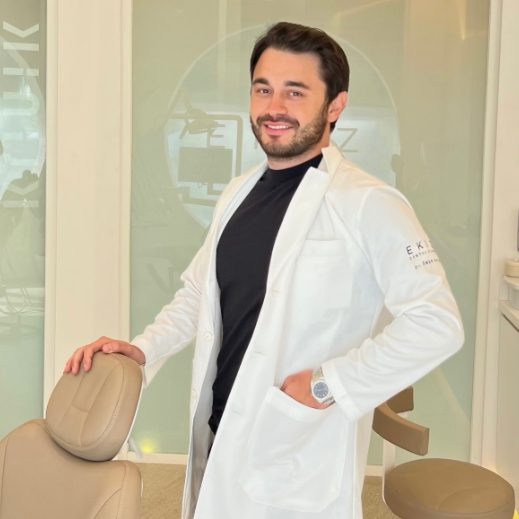
Omer Faruk Ekiz
GIA Clinics

Cigdem Karahan Genc
Park Avenue Dental Clinic

Hediye Soydemir
Bin Arab Dental Centre Branch

Sevinc Behruzoglu
Dr Tosun Dental Clinic

Dilsad Ozdogan
Dr Tosun Dental Clinic

Bulent Ozdogan
Dr Tosun Dental Clinic
Dentistry
General dentistry is the first clinical step for everyday oral health needs. It covers diagnosis, prevention, treatment, and long-term dental follow-up. Common services include dental check-ups, fillings, cleaning, extractions, and root canal care. General dentists also monitor gums, bite function, jaw comfort, and oral hygiene. They help detect problems before pain or tooth loss develops. Patients looking for doctors should choose licensed dental care and clear treatment planning. Good dentistry protects chewing, speech, appearance, and general well-being. Regular visits can make dental care simpler and less invasive.
GENERAL DENTISTRY AND ORAL HEALTH
General dentistry focuses on the whole mouth, not one tooth only. It evaluates teeth, gums, tongue, jaw, bite, and surrounding tissues. A doctor in Dubai can guide patients toward suitable dental care. The World Dental Federation highlights oral health as part of general health. This matters because gum disease and infection affect daily comfort. Dental problems can also affect eating, sleep, and confidence. A general dentist provides first-line care for most oral conditions. Complex cases are referred to specialist dental branches when needed.
THE ROLE OF A GENERAL DENTIST
A general dentist examines oral health and identifies dental disease. The dentist checks cavities, gum condition, bite, restorations, and oral tissues. X-rays may be used to see hidden tooth and bone problems. The dentist can treat many routine issues directly. Fillings, cleanings, simple extractions, and preventive care are common examples. They may also manage early gum disease and tooth sensitivity. If treatment requires advanced expertise, referral becomes appropriate. This coordination keeps dental care safer and more organized.
ROUTINE DENTAL EXAMINATION
A dental examination begins with patient history and symptom review. The dentist asks about pain, sensitivity, bleeding, habits, and previous treatment. Teeth are checked for decay, cracks, wear, and old filling problems. Gums are assessed for swelling, bleeding, recession, and pocket depth. The bite may be reviewed when chewing pain appears. Soft tissues are checked for ulcers, lumps, or color changes. X-rays help detect decay between teeth and root problems. Regular examination supports early diagnosis before major damage develops.
DENTAL CLEANING AND PREVENTIVE CARE
Professional dental cleaning removes plaque and hardened tartar. Tartar cannot be removed by brushing alone. If it remains, gums can become inflamed and bleed. Cleaning supports healthier gums and fresher breath. Preventive care also includes fluoride advice and brushing guidance. Interdental cleaning is important because brushes miss narrow spaces. Diet and sugar frequency also affect cavity risk. Prevention is usually easier than complex restorative treatment.
CAVITIES AND DENTAL FILLINGS
Cavities develop when bacteria damage tooth structure over time. Early decay may not cause pain. As decay deepens, sensitivity and chewing discomfort can appear. A filling restores the damaged tooth after decay removal. The dentist chooses material according to location and tooth needs. Good fillings protect function and reduce further breakdown. Untreated cavities can reach the pulp and cause infection. Early treatment helps preserve more natural tooth structure.
ROOT CANAL AND TOOTH PRESERVATION
Root canal treatment may be needed when the pulp becomes infected. Deep decay, cracks, trauma, or repeated dental work can cause pulp damage. Symptoms can include severe pain, swelling, or lingering heat sensitivity. During treatment, infected tissue is removed from the canals. The canals are cleaned, shaped, disinfected, and sealed. A final filling or crown protects the tooth afterward. Root canal care can prevent extraction in suitable cases. The tooth must still be restorable for long-term success.
TOOTH EXTRACTION AND SURGICAL REFERRAL
Tooth extraction is considered when a tooth cannot be saved. Severe decay, fracture, infection, or advanced gum disease may require removal. Some extractions are simple and completed under local anesthesia. Impacted teeth or complex roots may need surgical care. Wisdom teeth often require special assessment. The dentist reviews X-rays before deciding the safest method. After extraction, healing instructions are important. Missing teeth may later need replacement planning.
GUM HEALTH AND PERIODONTAL CARE
Gum health is a major part of general dentistry. Gingivitis causes redness, swelling, and bleeding during brushing. At this stage, improvement is often possible with care. Periodontitis is more advanced and can damage bone support. Loose teeth may appear when support loss becomes severe. Gum care includes cleaning, home hygiene, and follow-up. Smokers and diabetic patients may need closer monitoring. Healthy gums help protect natural teeth for longer.
CHILDREN AND FAMILY DENTISTRY
General dentistry can support patients across all ages. Children need early monitoring of baby teeth and oral habits. Baby teeth guide chewing, speech, and permanent tooth eruption. Adults often need cavity, gum, bite, or restoration care. Older adults may need denture, dry mouth, or tooth wear management. Family dental care helps build consistent habits. Children learn oral hygiene better when parents participate. Early positive visits can reduce dental fear later.
ORTHODONTIC AND SPECIALIST REFERRALS
General dentists do not perform every dental treatment. Some cases require orthodontics, periodontology, endodontics, prosthodontics, or oral surgery. Crooked teeth may need orthodontic assessment. Advanced gum disease may need periodontal specialist care. Complex root canals may need an endodontist. Implants and jaw surgery may require surgical planning. Cosmetic cases may also need multidisciplinary planning. A good referral improves treatment accuracy and long-term results. General dentistry remains the starting point for coordination.
DENTAL TECHNOLOGY AND DIAGNOSTIC TOOLS
Modern dentistry uses several diagnostic and treatment tools. Dental X-rays show roots, bone, cavities, and hidden infection. Intraoral cameras can help patients see visible problems. Periodontal probes measure gum pocket depth. Ultrasonic scalers remove tartar during cleaning. Local anesthesia supports comfort during many procedures. Digital scanning may help with crowns, aligners, and restorations. Technology supports diagnosis, but clinical judgment remains essential. Safe dental care combines tools with careful examination.
GENERAL DENTISTRY CARE IN DUBAI HEALTHCARE SETTINGS
Dubai has regulated healthcare pathways for dental and oral health services. Patients should choose licensed professionals and suitable clinical facilities. They should ask about diagnosis, treatment options, costs, timing, and follow-up. Pain, swelling, trauma, bleeding gums, or broken teeth should not be ignored. Regular dental visits can reduce emergency visits and complex procedures. Patients should bring previous X-rays and medical information when available. Patients in Dubai can review more doctor listings through Dubai Health for further doctor options. Clear general dentistry care supports healthier teeth, safer treatment, and lasting oral comfort.
