

Ayse Yilmaz Bastug
MedHills Medical Centre
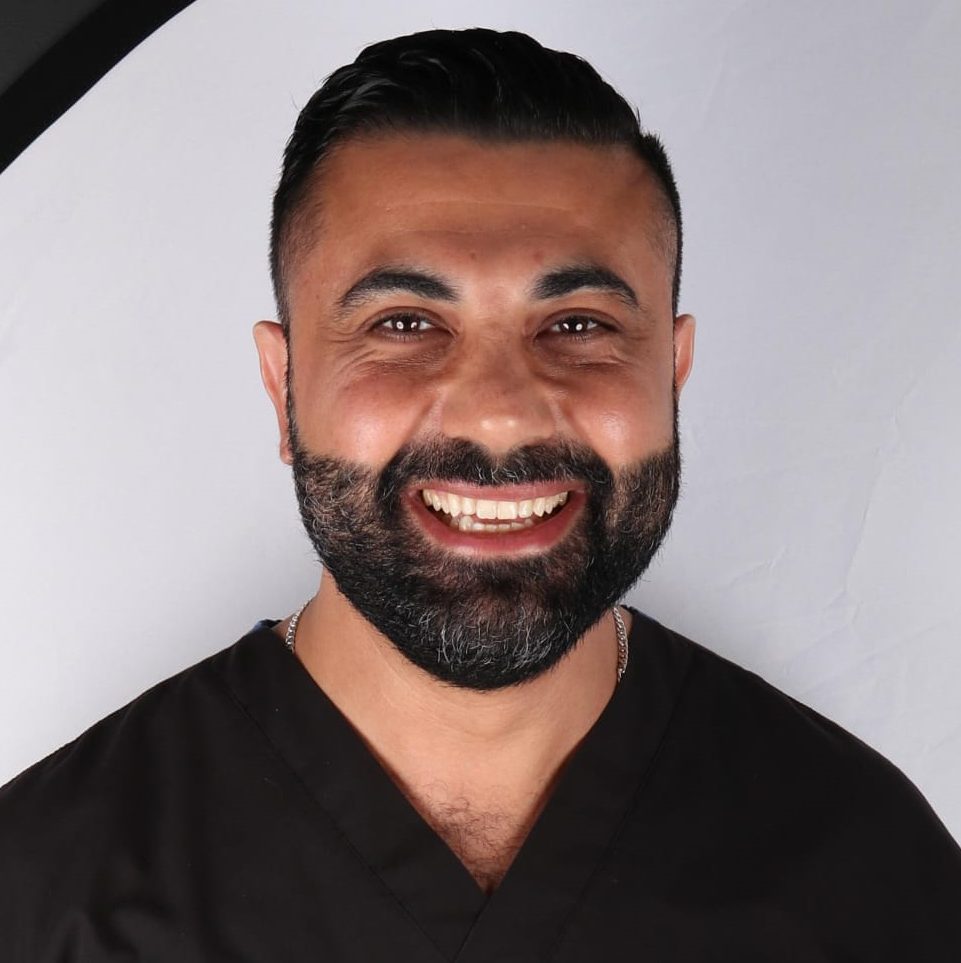
Alper Kaya
The Toptent
Oral And Maxillofacial Surgery
Oral and maxillofacial surgery focuses on the mouth, teeth, jaws, face, and related tissues. It treats conditions that need surgical planning, not only routine dental care. These conditions can involve impacted teeth, jaw cysts, facial trauma, implants, infections, and jaw alignment problems. Some procedures are performed with local anesthesia, while others need sedation or general anesthesia. The choice depends on procedure complexity, patient health, and clinical safety. Patients searching for the best doctors in Dubai should look for licensed surgical expertise and clear explanations. A careful treatment plan can protect chewing, speech, appearance, comfort, and long-term oral health.
ORAL AND MAXILLOFACIAL SURGERY
Oral and maxillofacial surgery is a specialized field of dentistry and surgery. It evaluates both hard tissues and soft tissues. Hard tissues include teeth, jawbones, and facial bones. Soft tissues include gums, cheeks, lips, salivary glands, and oral lining. doctors in Dubai may guide patients when dental problems need surgical assessment. This specialty often works with orthodontics, prosthodontics, ENT, plastic surgery, and oncology. The aim is not only removing a problem. The goal is restoring safe function and stable healing.
COMPLEX TOOTH EXTRACTIONS
Some tooth extractions are simple, but others become surgical. A broken root, curved root, dense bone, or deep infection can complicate removal. Surgical extraction may require opening the gum and removing a small bone window. The tooth or root can then be separated and removed safely. Local anesthesia is usually used to control pain during the procedure. Stitches may be placed to support healing. Mild swelling, bleeding, and soreness can occur afterward. Clear aftercare instructions reduce infection and dry socket risk.
IMPACTED WISDOM TEETH
Impacted wisdom teeth are common surgical concerns. These teeth may remain fully or partly under the gum. They can press against nearby teeth, bone, or soft tissue. Some impacted teeth cause pain, swelling, infection, or jaw stiffness. Others are discovered during routine X-rays before symptoms begin. Imaging helps show the tooth angle and nerve position. Removal may be done in one piece or several smaller sections. Healing of soft tissue is faster than full bone remodeling.
JAW CYSTS AND ORAL LESIONS
Jaw cysts can develop around tooth roots or inside jawbone. They may grow quietly for a long time. Some are discovered only during dental imaging. Larger cysts can cause swelling, pain, tooth movement, or bone weakening. Surgical removal may be needed when growth or risk is present. Some tooth-related cysts may improve after root canal treatment. Suspicious lesions may require biopsy for diagnosis. Early detection makes treatment simpler and safer.
DENTAL IMPLANTS AND BONE SUPPORT
Dental implants replace missing tooth roots with titanium fixtures. They are placed into jawbone and later restored with prosthetic teeth. Implant planning requires healthy bone and stable gum tissue. Some patients need bone grafting before implant placement. Sinus lifting may be needed in the upper back jaw. Smoking, uncontrolled diabetes, and poor hygiene can affect implant success. The healing phase allows bone to integrate around the implant. Long-term maintenance is essential after the final crown is placed.
JAW FRACTURES AND FACIAL TRAUMA
Facial trauma can affect chewing, breathing, speech, and appearance. Jaw fractures may happen after falls, sports injuries, or accidents. Symptoms can include pain, swelling, bleeding, numbness, or bite changes. Severe fractures can affect airway safety and feeding. Stabilization may involve wiring, plates, screws, or surgical repair. The treatment goal is restoring bone alignment and normal bite. Recovery often takes several weeks, depending on injury severity. Urgent assessment is important after facial trauma.
CLEFT LIP, CLEFT PALATE, AND JAW DEVELOPMENT
Cleft lip and cleft palate are developmental conditions present from birth. They can affect feeding, speech, hearing, teeth, and facial growth. Treatment usually requires a staged team approach. Surgery may begin in infancy, depending on the case. Later care can involve orthodontics, speech therapy, dental care, and jaw surgery. Jaw development problems can also appear without cleft conditions. Some jaw discrepancies improve with orthodontic guidance during growth. Others may require orthognathic surgery after growth is complete.
JAW JOINT AND OROFACIAL PAIN
The temporomandibular joint connects the jawbone to the skull. Problems in this joint can cause pain, clicking, locking, or limited opening. Muscle tension, clenching, trauma, arthritis, and bite problems can contribute. Many jaw joint problems improve with conservative care. Splints, physiotherapy, medication, and behavior changes may help. Surgery is usually reserved for selected severe cases. Facial pain can also come from nerves, teeth, sinuses, or muscles. A detailed diagnosis prevents unnecessary dental or surgical treatment.
SALIVARY GLAND AND ORAL INFECTION CARE
Salivary gland problems may appear as swelling, pain, dryness, or infection. Stones can block saliva flow and cause meal-related swelling. Infections may need medication, drainage, or further investigation. Tumors in salivary glands need careful assessment and sometimes biopsy. Dental infections can also spread into facial spaces. Severe swelling, fever, swallowing difficulty, or breathing symptoms need urgent care. Surgical drainage may be required when abscesses form. Early treatment reduces the risk of dangerous spread.
ANESTHESIA, SEDATION, AND PATIENT SAFETY
Pain control is central in oral surgery. Many procedures are completed with local anesthesia. Sedation may help patients with severe anxiety or complex procedures. General anesthesia may be used for extensive surgery or special needs. The safest option depends on health, age, procedure length, and airway risk. Patients must share medical history and all current medicines. Blood thinners, allergies, diabetes, and heart conditions should be discussed. Fasting rules must be followed when sedation or anesthesia is planned.
RECOVERY AFTER ORAL SURGERY
Recovery depends on the procedure and patient health. Swelling is common after impacted tooth or jaw surgery. Cold application may help during the first day. Hot foods, smoking, and forceful rinsing should usually be avoided early. Soft foods can protect the surgical area. Prescribed medicines should be used exactly as directed. Persistent bleeding, fever, worsening pain, or pus needs review. Follow-up visits help confirm that healing is progressing safely.
ORAL AND MAXILLOFACIAL SURGERY IN DUBAI HEALTHCARE SETTINGS
Dubai has regulated healthcare pathways for oral and maxillofacial surgery. Patients should choose licensed professionals and appropriate clinical facilities. They should bring dental X-rays, medical reports, medication lists, and allergy information. Before treatment, patients should understand anesthesia, risks, recovery, and alternative options. Complex cases may need cooperation between dental and medical specialists. Facial trauma, spreading infection, uncontrolled bleeding, or breathing difficulty needs urgent care. For official healthcare guidance in Dubai, patients can contact DHA and review further information through its official platform. Clear surgical planning supports safer treatment and better long-term function.
