There are no radiation oncologists in Dubai yet.
Radiation Oncology
Radiation oncology is a medical specialty that treats cancer with controlled radiation. It uses high-energy beams to damage cancer cell DNA. This damage can stop cancer cells from dividing and spreading. Healthy cells can also be affected, so planning is very detailed. The aim is to treat the tumor while protecting nearby organs. Radiation therapy may be used alone or with other treatments. For patients seeking clearer medical communication, Turkish doctors can support better understanding during cancer care. A clear treatment plan helps patients feel more prepared.
RADIATION ONCOLOGY IN CANCER CARE
Radiation oncology plays a central role in modern cancer treatment. It is used for many cancers, including breast, lung, prostate, brain, and head-neck cancers. It can also help some patients with painful or bleeding tumors. In selected cases, it may control symptoms without aiming for full cure. This is known as palliative treatment in oncology practice. Turkish doctors in Dubai may help patients understand treatment choices more clearly. Radiation therapy works best when each case is reviewed individually. Tumor type, stage, location, and general health guide the decision.
HOW RADIATION THERAPY WORKS
Radiation therapy targets cells that divide quickly. Cancer cells often divide faster than many normal cells. This makes them more sensitive to radiation damage in many cases. The treatment does not remove the tumor immediately. Damaged cancer cells may die over days, weeks, or months. The effect continues after some treatment courses finish. Normal tissues are considered during planning to reduce unnecessary exposure. This balance is the reason radiation planning takes time.
CANCERS COMMONLY TREATED WITH RADIATION
Radiation therapy is used across many cancer types. Breast cancer patients may receive radiation after breast-conserving surgery. Prostate cancer can be treated with external radiation or brachytherapy. Lung cancer treatment may combine radiation with chemotherapy or immunotherapy. Brain tumors may require precise radiation near sensitive structures. Head and neck cancers often need careful planning to protect speech and swallowing. Gynecological cancers may use external radiation, internal radiation, or both. Skin cancers and gastrointestinal cancers may also require radiation in selected cases.
EXTERNAL BEAM RADIATION THERAPY
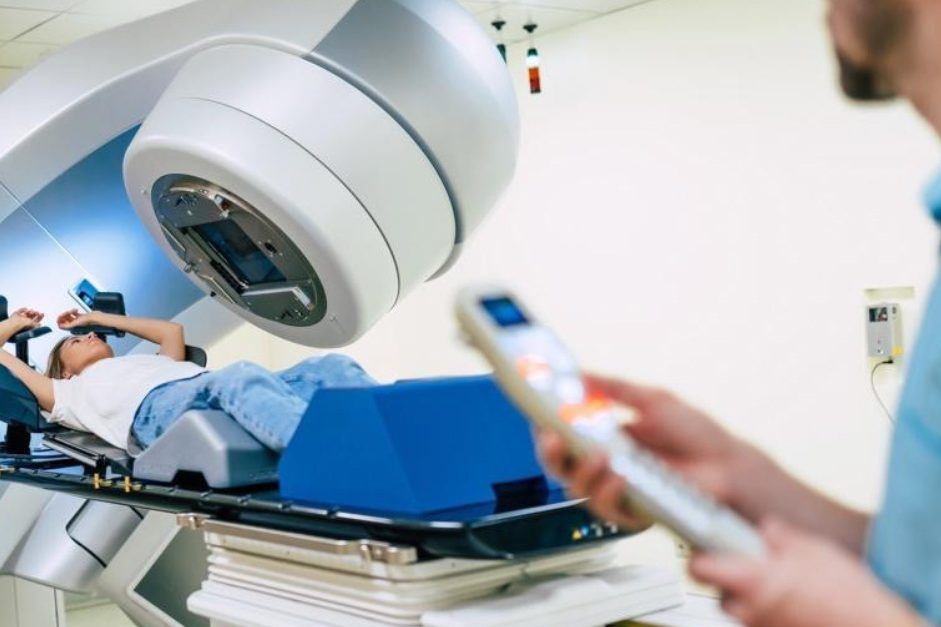
External beam radiation is the most common radiation treatment type. It uses a machine outside the body to direct radiation. The beams are aimed at the planned treatment area. Patients do not feel the radiation during delivery. The session usually takes only a short time. Positioning and image checks can take longer than treatment delivery. Most treatment schedules are divided across several sessions. This approach helps protect normal tissue while treating cancer effectively.
ADVANCED RADIATION TECHNIQUES
Modern techniques allow radiation to be shaped more precisely. IMRT adjusts beam intensity around complex tumor shapes. IGRT uses imaging before or during treatment for accuracy. SBRT delivers high doses over fewer sessions in selected tumors. SRS is often used for small brain or spine targets. Brachytherapy places radiation sources near or inside the target area. Proton therapy can reduce dose beyond the tumor in suitable cases. Technique choice depends on tumor location and clinical goals.
TREATMENT PLANNING AND SIMULATION
Radiation treatment begins with consultation and medical review. The radiation oncologist studies scans, pathology, symptoms, and treatment history. Simulation is then performed to map the treatment position. CT simulation is commonly used for planning. Masks, cushions, or body molds may help keep patients stable. Small skin marks can support accurate daily positioning. A medical physics team calculates dose distribution before treatment starts. This planning stage helps reduce risk to healthy organs.
WHAT HAPPENS DURING TREATMENT SESSIONS
During treatment, the patient lies in the planned position. The treatment team checks alignment before radiation is delivered. Staff leave the room but monitor the patient continuously. Communication remains available through audio or camera systems. The machine may rotate around the treatment table. Some sounds are normal during machine movement. Patients should remain still unless they feel unsafe. External radiation does not make the patient radioactive after treatment.
SIDE EFFECTS AND DAILY LIFE
Side effects depend on the treated body area. Fatigue is one of the most common effects. Skin changes may appear in the treated region. Head and neck treatment can affect swallowing or mouth comfort. Pelvic treatment may cause urinary or bowel symptoms. Chest treatment may affect swallowing or breathing comfort. Many side effects improve after treatment ends. Some late effects can appear months or years later.
MANAGING RADIATION SIDE EFFECTS
Side effect management is part of cancer care. Patients should report pain, fever, bleeding, or severe fatigue early. Skin care instructions should be followed exactly. Nutrition support may help during head, neck, or abdominal treatment. Hydration, rest, and gentle activity can support recovery. Medication may reduce nausea, pain, or inflammation. The care team may adjust supportive treatment when needed. Missed sessions should be discussed before changing the schedule.
MULTIDISCIPLINARY CANCER TREATMENT
Radiation oncology rarely works in isolation. Cancer care often involves medical oncology, surgery, imaging, pathology, and nursing. Psychosocial support can also be important during treatment. The team reviews disease stage and patient priorities together. Combined treatment may improve control in selected cancers. Chemotherapy can sometimes make cancer cells more sensitive to radiation. Surgery may come before or after radiation, depending on the case. A coordinated plan reduces confusion and improves continuity.
RADIATION ONCOLOGY IN DUBAI HEALTHCARE SETTINGS
Dubai has regulated healthcare pathways for oncology services. Patients should choose licensed providers and ask clear questions. They should understand treatment aim, schedule, preparation, and side effects. Previous scans, pathology reports, and treatment notes should be shared early. This helps the team avoid repetition and plan more accurately. Patients can also ask whether radiation is curative or palliative. For official healthcare guidance in Dubai, patients can contact Dubai Health Authority and review further information through its official platform. A prepared patient can follow treatment more confidently.