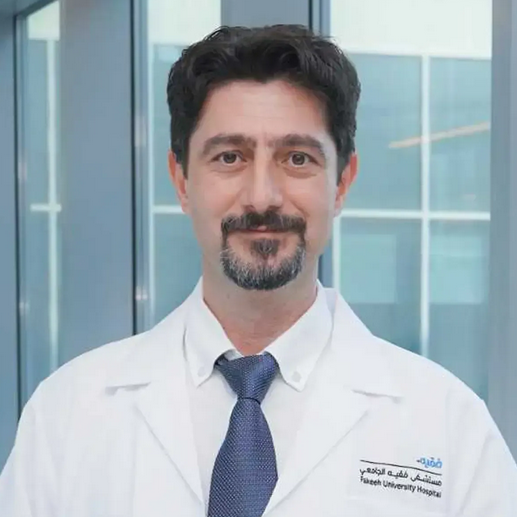
Volkan Cakir
Fakeeh University Hospital
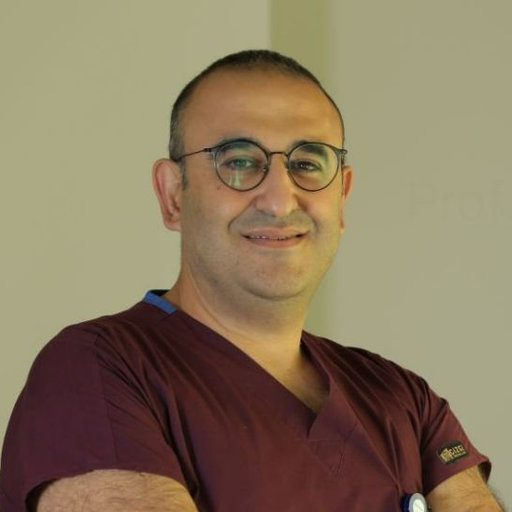
Nuri Ozgur Kilickesmez
Qastarat Dawali Clinics
Interventional Radiology
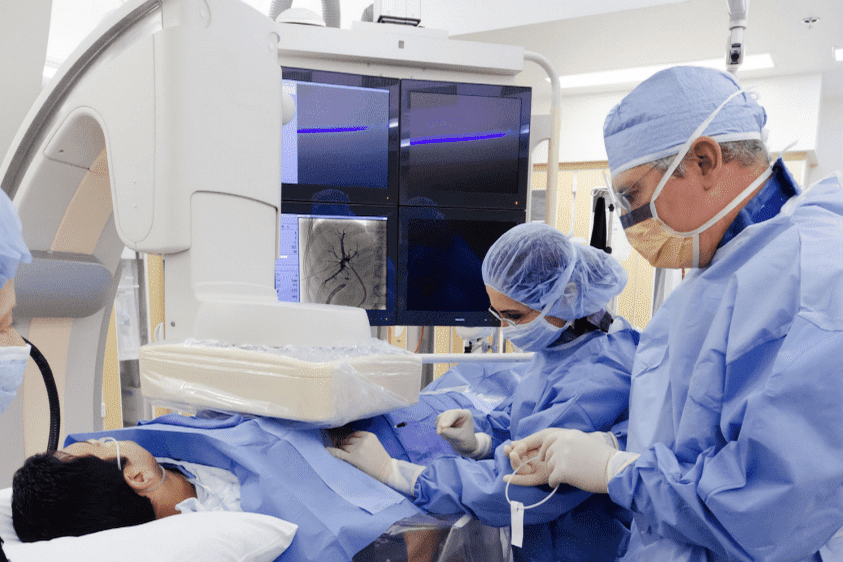
Interventional radiology is a medical specialty that treats disease through image-guided procedures. It uses ultrasound, CT, MRI, fluoroscopy, and angiography to guide small instruments. Many procedures are done through a needle puncture or thin catheter. This approach can reduce tissue trauma compared with open surgery. It can support diagnosis, vascular treatment, cancer care, drainage, and pain control. Patients searching for doctors Dubai should look for licensed specialists and clear explanations. The field is expanding because imaging can guide treatment with high precision. A planned interventional procedure can often shorten recovery and hospital stay.
INTERVENTIONAL RADIOLOGY AND IMAGE-GUIDED CARE
Interventional radiology is often described as the treatment side of radiology. It uses medical imaging not only to diagnose, but also to treat. Turkish doctors in Dubai may help patients understand complex procedures more clearly. A radiologist can guide needles, wires, catheters, balloons, and stents inside the body. Many treatments are performed under local anesthesia and conscious sedation. Some sensitive procedures still require general anesthesia for safety. The treatment route is chosen according to anatomy and disease type. The aim is reaching the target safely with minimal disruption.
VASCULAR INTERVENTIONAL PROCEDURES
Vascular procedures treat blood vessel problems across the body. They may involve blocked arteries, narrowed veins, aneurysms, or abnormal vessel connections. Angiography helps show the vessel map in real time. Balloon angioplasty can widen narrowed vessels. Stents can keep selected vessels open after widening. Embolization can close vessels when blocking flow is medically useful. These methods can be used in legs, kidneys, liver, brain, and other regions. Each case needs imaging review and risk assessment before treatment.
ARTERIAL BLOCKAGES AND STENT TREATMENT
Arterial blockages can reduce blood flow to tissues. In the legs, this may cause walking pain, coldness, wounds, or color change. In severe cases, poor blood flow can threaten tissue survival. Interventional radiology can sometimes open blocked vessels without open surgery. The doctor may use balloons, drug-coated balloons, stents, or clot removal tools. Treatment choice depends on blockage length, vessel size, and patient risk. Smoking, diabetes, and cholesterol control remain important after the procedure. Opening a vessel is only one part of long-term vascular care.
ANEURYSM AND EMBOLIZATION TREATMENTS
An aneurysm is a weakened vessel area that expands outward. Some aneurysms can rupture and cause dangerous bleeding. Endovascular treatment can seal selected aneurysms from inside the vessel. Coils, stents, and flow-diverting devices may be used. Embolization can also treat abnormal vessel tangles called malformations. The aim is reducing blood flow into the risky area. These procedures require detailed imaging and careful planning. Tiny movement can matter in brain vessel procedures, so anesthesia planning is strict.
CANCER-RELATED INTERVENTIONAL RADIOLOGY
Interventional radiology plays an important role in cancer care. It can help with diagnosis through image-guided biopsy. It can also support treatment through ablation or embolization. Ablation uses heat, cold, or other energy to destroy selected tumor tissue. Radiofrequency and microwave ablation are common examples. Chemoembolization delivers cancer medicine through tumor-feeding arteries. Radioembolization delivers radiation-loaded particles to selected tumors. These options are usually planned with oncology, surgery, and imaging teams.
BIOPSY, DRAINAGE, AND NONVASCULAR PROCEDURES
Nonvascular procedures do not mainly involve blood vessels. Image-guided biopsy can take tissue from organs or masses. Ultrasound or CT helps guide the needle toward the safest path. Drainage can remove pus, bile, urine, blood, or cyst fluid. Abscess drainage can reduce infection load without major surgery. Biliary drainage can help when bile flow is blocked. Nephrostomy can drain urine when kidney outflow is obstructed. These procedures can stabilize patients before further treatment.
VARICOSE VEINS, VARICOCELE, AND FIBROID CARE
Interventional radiology also treats several quality-of-life conditions. Varicose vein treatment can close diseased veins through heat or chemicals. Varicocele embolization blocks enlarged testicular veins through a catheter route. This may help selected men with pain or fertility concerns. Uterine fibroid embolization blocks fibroid blood supply. Fibroids can then shrink and symptoms may improve over time. Heavy bleeding, pelvic pressure, and urinary symptoms may reduce. Suitability depends on symptoms, fertility goals, imaging, and gynecologic assessment.
PREPARATION BEFORE A PROCEDURE
Preparation depends on the planned procedure. Patients may need blood tests, imaging review, and medication adjustment. Blood thinners should be discussed before any invasive procedure. Diabetes medicines may need timing changes around fasting or contrast use. Kidney function matters when contrast material is planned. Allergy history should be shared before imaging-guided treatment. Patients should ask about anesthesia, fasting, recovery, and activity limits. Clear preparation reduces delays and procedural risk.
RECOVERY AND POSSIBLE RISKS
Recovery is often shorter than open surgery, but risks still exist. Mild pain, bruising, swelling, or fatigue can happen afterward. Vessel procedures may carry bleeding, clotting, or contrast-related risks. Infection is uncommon but possible after puncture or drainage procedures. Some cancer treatments can cause fever, pain, or temporary inflammation. Patients should report severe pain, fever, bleeding, weakness, or breathing trouble. Follow-up imaging may be needed to confirm treatment effect. Safe recovery depends on instructions and timely review.
WHEN INTERVENTIONAL RADIOLOGY MAY BE USEFUL
Interventional radiology may be useful when treatment needs precise targeting. It can help patients who are poor candidates for open surgery. It may also reduce hospital stay in selected cases. However, it is not the best answer for every condition. Some patients still need surgery, medication, or observation. The decision should come from multidisciplinary medical review. Patients should understand expected benefit and possible alternatives. A clear diagnosis is essential before any procedure.
INTERVENTIONAL RADIOLOGY CARE IN UAE HEALTHCARE SETTINGS
The UAE has regulated healthcare pathways for radiology and image-guided procedures. Patients should choose licensed professionals and suitable clinical facilities. They should bring prior scans, reports, medicine lists, and allergy details. Questions should cover diagnosis, imaging guidance, anesthesia, risks, and follow-up. Vascular, cancer, drainage, and biopsy procedures need careful case selection. Emergency symptoms like severe bleeding, stroke signs, or limb color change need urgent care. For official healthcare guidance in the UAE, patients can contact MOHAP and review further information through its official platform. Clear interventional radiology planning supports safer treatment and faster recovery.