
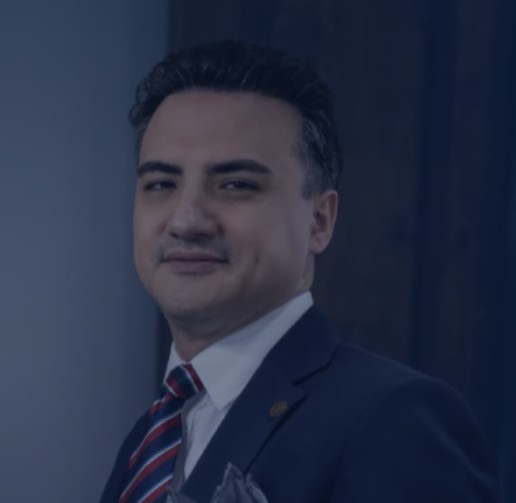
Hasan Celik
LYV Aesthetic Clinic
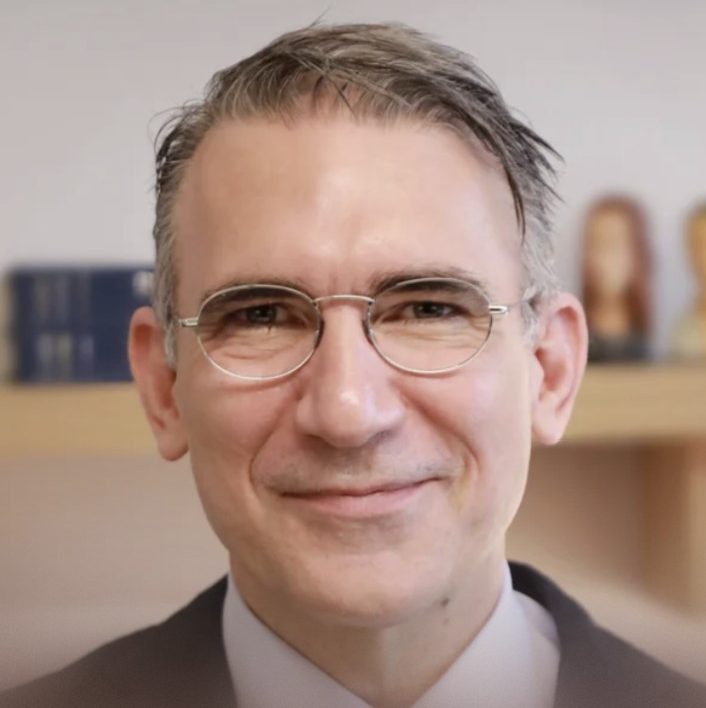
Teoman Dogan
Quttainah Specialized Hospital
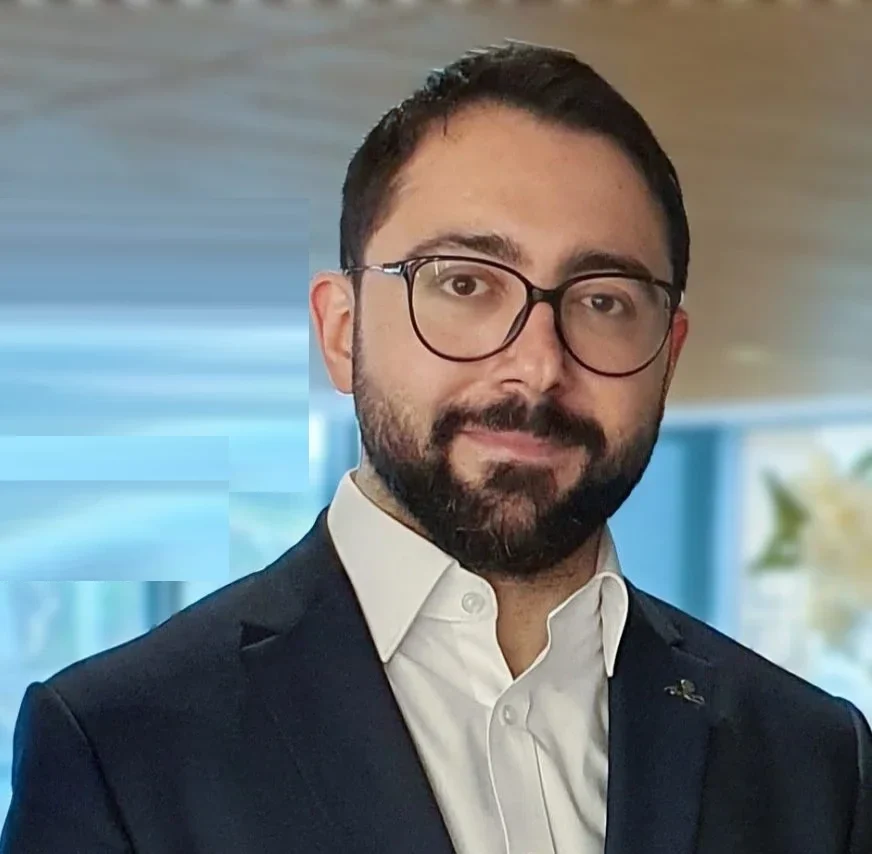
Mehmet Surmeli
FMC Medical Center
Plastic Surgery
Plastic surgery is a broad surgical specialty. It repairs tissue loss, corrects deformities, and improves body harmony. Some procedures restore function after trauma, burns, cancer, or birth anomalies. Others focus on appearance, symmetry, proportion, and personal comfort. The field requires medical judgment, surgical planning, and aesthetic sensitivity. A safe plan should consider health status, expectations, anatomy, and healing capacity. For patients seeking clear guidance, Turkish doctors can support better understanding before treatment decisions. The best outcomes depend on safety, realism, and individualized planning.
PLASTIC, RECONSTRUCTIVE, AND AESTHETIC SURGERY
Plastic surgery is not only cosmetic surgery. It includes both functional repair and appearance-focused procedures. Reconstructive surgery restores damaged or missing tissue after disease or injury. Aesthetic surgery improves features that already function normally. Both areas often overlap in real clinical practice. Turkish doctors in Dubai may help patients compare these treatment categories. For example, rhinoplasty may improve shape and breathing together. Breast reduction may improve appearance while reducing back and neck pain.
RECONSTRUCTIVE SURGERY AND FUNCTIONAL REPAIR
Reconstructive surgery treats congenital, traumatic, and disease-related tissue problems. It can help patients with cleft lip, cleft palate, burns, scars, and wounds. It may also support reconstruction after cancer surgery. Hand injuries, facial fractures, and soft tissue defects may need specialist care. Microsurgery can move tissue with its blood vessels and nerves. This allows complex reconstruction in selected cases. The main goal is restoring function, protection, and body integrity. Appearance matters, but function often comes first in reconstruction.
AESTHETIC SURGERY AND BODY HARMONY
Aesthetic surgery focuses on proportion, balance, and visible improvement. Common procedures include rhinoplasty, eyelid surgery, facelift, and neck lift. Body procedures may include liposuction, tummy tuck, and body contouring. Breast procedures may include augmentation, reduction, lifting, or reconstruction. Some patients prefer less invasive options, such as injectables. These treatments still need medical assessment and realistic expectations. A natural result should fit the patient’s face and body. Overcorrection can create an artificial or unstable outcome.
COMMON PROCEDURES AND TREATMENT AREAS
Rhinoplasty reshapes the nose and may address breathing concerns. Blepharoplasty removes excess eyelid skin or bulging fat. Otoplasty adjusts prominent ears closer to the head. Liposuction removes localized fat but is not weight-loss surgery. Tummy tuck removes loose abdominal skin and may tighten muscles. Gynecomastia surgery reduces enlarged male breast tissue. Fat transfer can restore volume in selected facial or body areas. Post-weight-loss surgery may reduce loose skin after major weight reduction.
WHO MAY BE SUITABLE FOR SURGERY
Suitability depends on health, anatomy, goals, and psychological readiness. Candidates should have realistic expectations and stable decision-making. Chronic diseases should be well controlled before elective surgery. Stable weight is important before body contouring procedures. Smoking can increase wound healing and infection risks. Pregnancy and breastfeeding usually delay elective aesthetic surgery. Active infection or uncontrolled medical problems may require postponement. A good candidate understands benefits, limits, risks, and recovery demands.
CASES THAT NEED EXTRA CAUTION
Some patients need deeper evaluation before surgery. Uncontrolled diabetes, heart disease, bleeding disorders, and severe lung disease increase risk. Patients using blood thinners may need special planning. Body dysmorphic concerns should be evaluated carefully before aesthetic procedures. Severe depression, psychosis, or active addiction can affect recovery and consent. Keloid tendency may increase the risk of visible raised scars. Rapid weight changes can weaken long-term body contouring results. Safety should always come before cosmetic timing.
CONSULTATION AND SURGICAL PLANNING
Planning begins with a detailed consultation and physical examination. The surgeon reviews medical history, medications, allergies, and previous operations. Photographs may be taken for planning and documentation. Imaging or laboratory tests may be requested when needed. The treatment plan should explain technique, anesthesia, scars, and recovery. Alternatives should be discussed before the patient gives consent. Patients should ask about complications and revision possibilities. Clear communication reduces confusion and unrealistic expectations.
RECOVERY AND AFTERCARE
Recovery varies by procedure, age, health, and surgical extent. Swelling and bruising are common after many operations. Pain control should follow the surgeon’s instructions. Dressings, compression garments, and wound care may be required. Heavy exercise usually needs temporary restriction. Smoking and alcohol can affect healing and complication risk. Follow-up visits are important for monitoring recovery. Unexpected pain, fever, bleeding, or wound changes need urgent contact.
RISKS AND COMPLICATIONS
Every surgery carries some level of risk. Possible complications include bleeding, infection, poor scarring, and delayed healing. Anesthesia reactions can also occur, although serious events are uncommon. Some patients may notice numbness, asymmetry, swelling, or contour irregularity. Implant procedures can involve implant movement, rupture, or scar capsule problems. Liposuction can cause unevenness or fluid collections in some cases. Revision surgery may be needed when healing or results are not ideal. Careful planning lowers risk, but cannot remove it completely.
PATIENT SAFETY AND REALISTIC EXPECTATIONS
Patient safety depends on qualified professionals and proper facilities. International surgical societies emphasize training, ethics, and evidence-based safety standards. Patients should avoid unlicensed providers and unclear treatment promises. Very cheap offers can hide poor follow-up or weak safety controls. Before surgery, patients should understand what the procedure can and cannot change. Emotional readiness is as important as physical readiness. A successful result should improve comfort without creating new distress. The decision should be informed, calm, and medically appropriate.
PLASTIC SURGERY CARE IN DUBAI HEALTHCARE SETTINGS
Dubai has regulated healthcare pathways for surgical and aesthetic services. Patients should choose licensed professionals and verify the planned facility. They should ask about anesthesia, recovery, revision policy, and emergency support. Previous medical records and medication lists should be shared before surgery. A second opinion may be useful before complex or combined procedures. Patients should never rush into elective surgery after a brief consultation. For official healthcare guidance in Dubai, patients can contact Dubai Health Authority and review further information through its official platform. Safe planning protects health, appearance, and long-term satisfaction.
