

Navigating Cultural Beliefs in Healthcare Practices
For more on navigating healthcare across cultures, explore our resources or connect with a specialist who speaks your language—literally and figuratively.
For more on navigating healthcare across cultures, explore our resources or connect with a specialist who speaks your language—literally and figuratively.
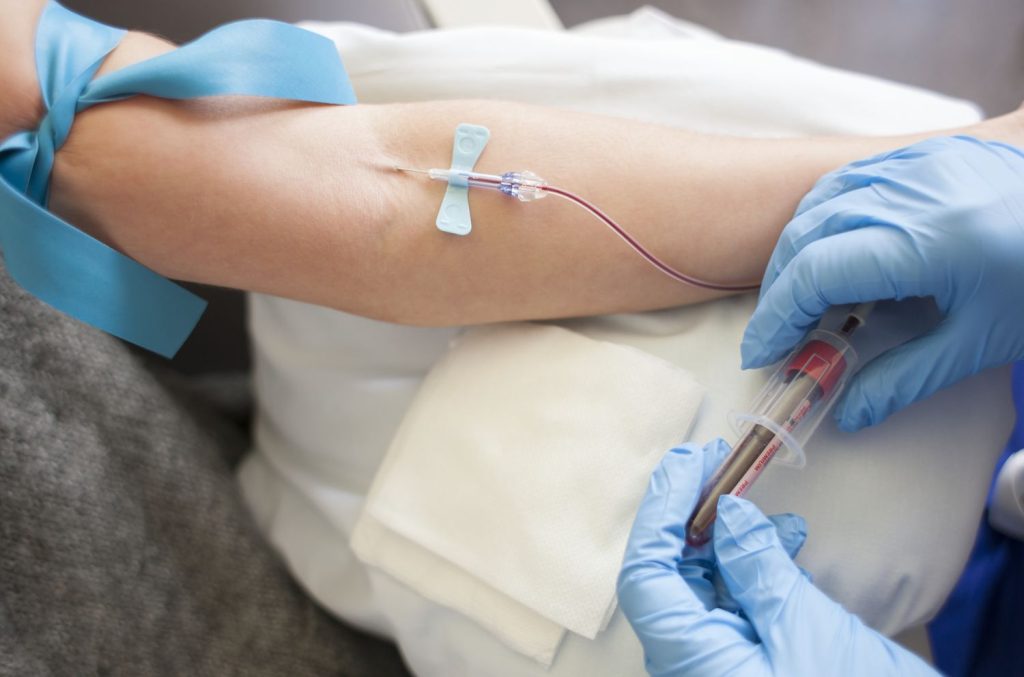
In the whirlwind of critical care, where every second counts, understanding the subtle whispers of a patient’s physiological state through blood gas analysis
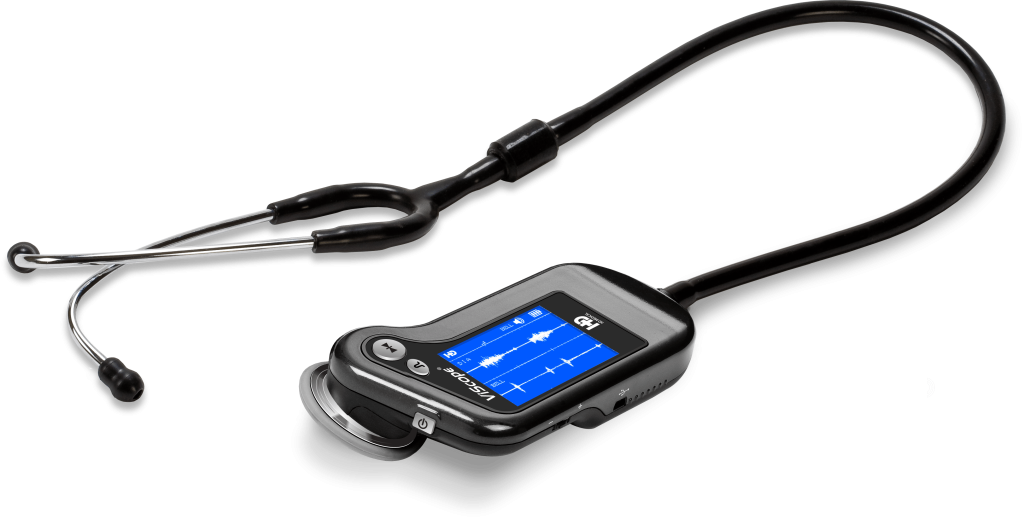
The move towards digital stethoscopes represents a broader shift in modern medicine. It’s about leveraging technology to enhance traditional practices.

Before you dive into preparation, it’s vital to understand why you’re taking the exam. USMLE leads you to the U.S., PLAB is for the UK, and DHA opens doors.

Many healthcare professionals assume that academic roles involve less pressure than clinical ones. However, academic settings bring their own kind of intensity.

It’s not rare to hear patients say, “I trust that doctor because they listened.” In clinics from Istanbul to Dubai, that emotional memory outlives dosage.
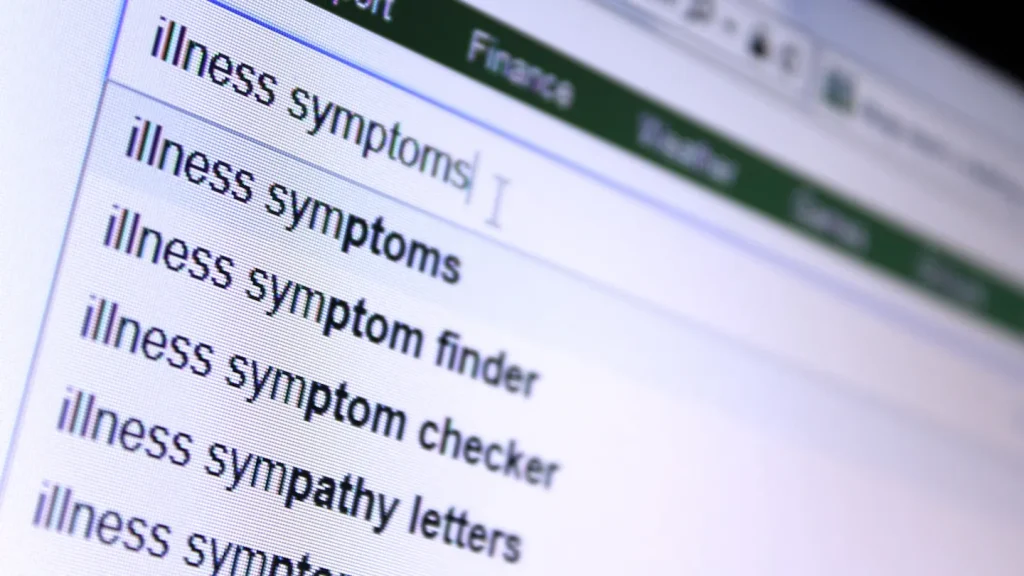
When people feel an ache, notice a rash, or experience a new sensation, their first move is often to type it into a search bar. This isn’t random.

Shared decision making in clinical practice transforms patient care by fostering mutual trust, improving outcomes, and honoring individual health values.

Imagine speaking, but the listener no longer understands familiar words. Or imagine hearing, but not recognizing meanings you once knew his is often.
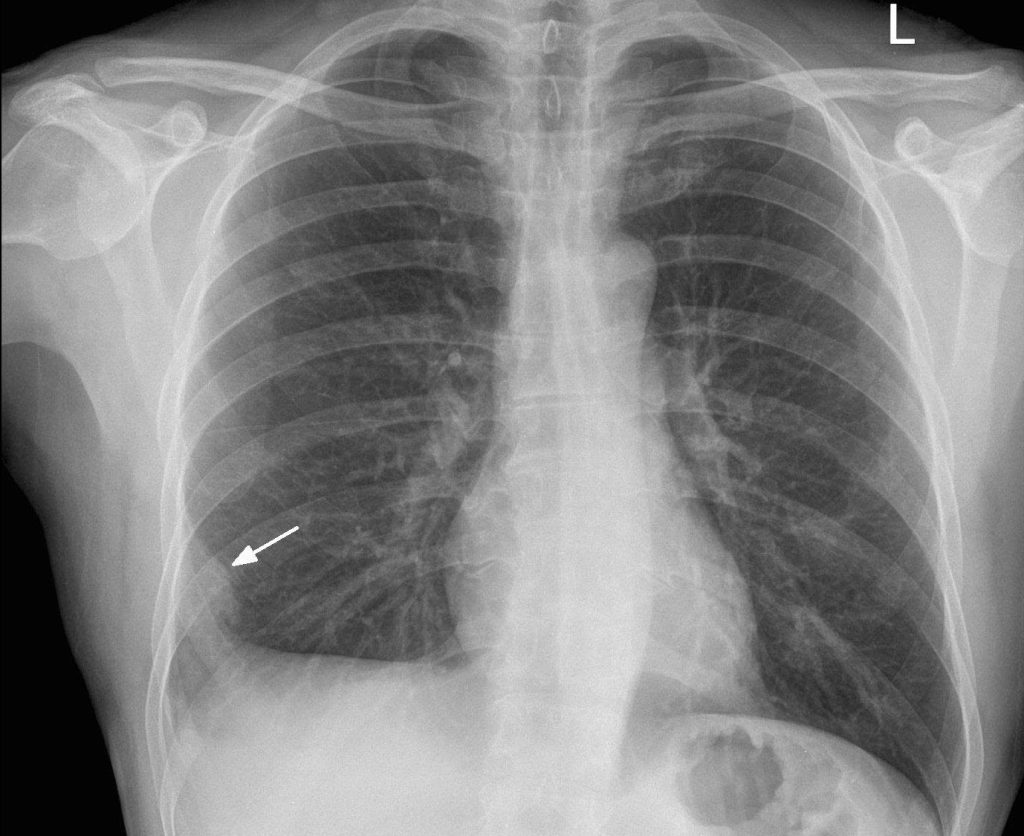
We often associate pulmonary embolism with intense chest pain and sudden shortness of breath. However, real-life cases show that many patients never experience.